 |
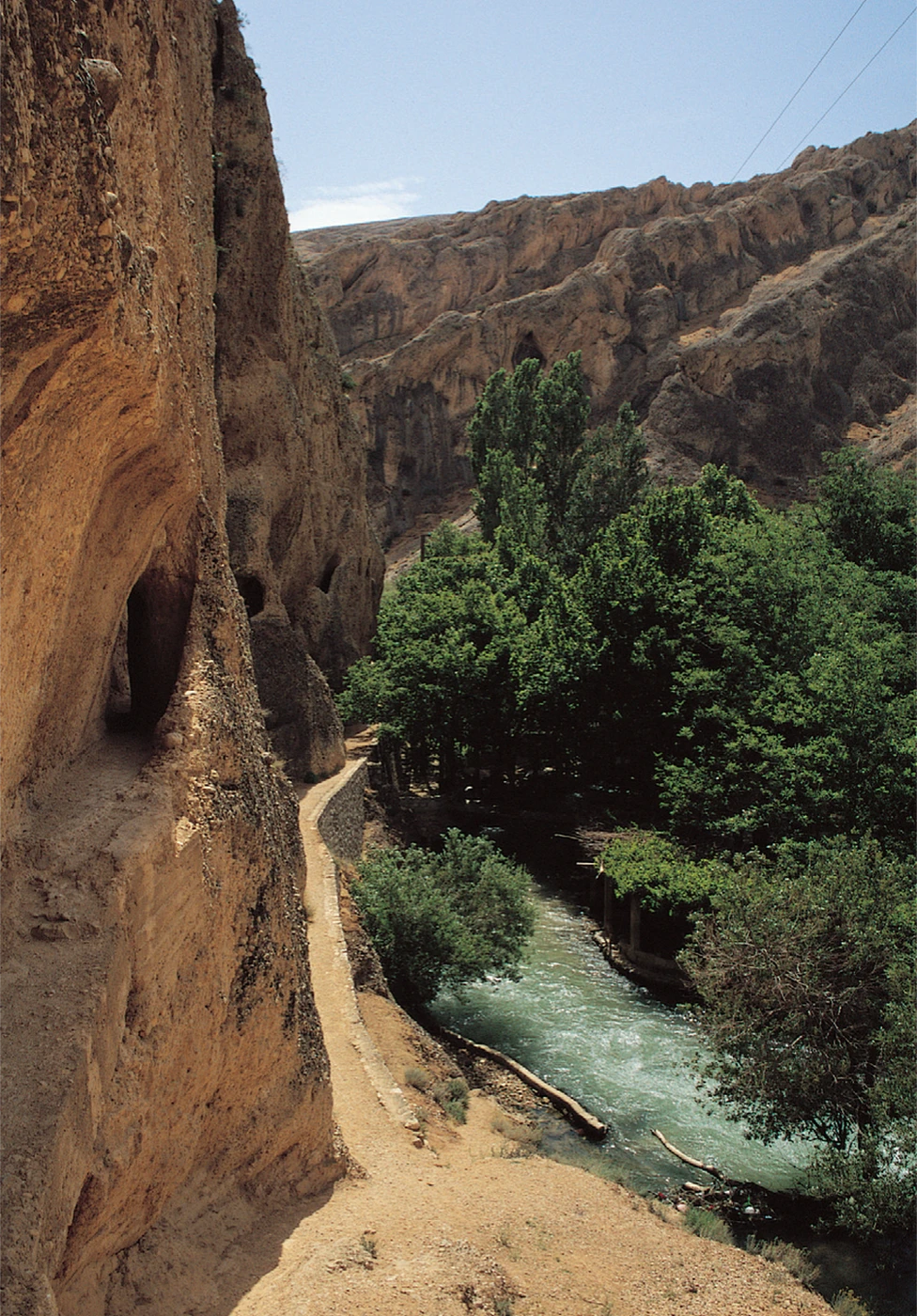
| Barada River—known in the Bible as the Abana—was the lifeline of Damascus |
https://www.bbc.com/news/world-middle-east-38532338
Sisters and brothers, the theme of the Third Week of Lent is living water—a powerful image of the spiritual life and salvation that Jesus offers. In yesterday’s Gospel of the Samaritan woman at the well, we encounter a striking paradox. Jesus asks for a drink, and at the same time he promises a drink. Jesus stands before the woman as someone in need, asking for water. Yet he is also the one who can quench the deepest thirst with the living water. He appears poor, yet he is rich.
This paradox helps us understand the deeper meaning of our readings today. The gospel is connected with the first reading because it was the story of Naaman the Syrian that got Jesus into trouble in Nazareth. Our reading today omits a part I like. After the healing of the great general from leprosy, he would like to offer gifts to Prophet Elisha, but the prophet refuses them. Instead, Naaman asks for two mule-loads of earth which he could carry back to Syria, vowing to worship only the Lord.
But perhaps the omission is a blessing; it keeps our attention where it should be—on the water. In earlier times the Barada River—known in the Bible as the Abana—was the lifeline of Damascus. Because of this river, the city flourished in an oasis of gardens and orchards called the Ghouta. The land was green and fertile. Water flowed generously through a network of channels that spread life across the region.
The river itself comes from the meltwaters of Mount Hermon, the highest peak in Syria. Even today, its summit remains covered with snow until early June. In ancient times the amount of snow that fell on Hermon determined how much water Damascus would receive throughout the year. The river was a source of pride for the people of the city. Travelers gathered along its banks. Pilgrims waited there before setting out together across the desert on the long journey to Mecca.
But today, the river is only a shadow of what it once was. By the time it reaches the center of Damascus, drought and pollution have reduced it to a thin and muddy trickle. What was once a symbol of abundance now reminds us how easily something great can fade.
It is interesting that in our First Reading today we hear Naaman speak with pride about these very rivers. When the prophet Elisha tells him to wash in the Jordan to be healed, Naaman becomes angry. He says, “Are not the rivers of Damascus, the Abana and the Pharpar, better than all the waters of Israel? Could I not wash in them and be cleansed?” And he walks out.
Here is Naaman, the one in need of healing, yet he goes to the healer and tries to dictate how the healing should happen. But healing does not work that way. Naaman first had to learn the first lesson in receiving healing. It has been said bt the saints that humility is a mother and teacher. To add to that humility is a healer that has the right antidote to the poison of pride.
There was another lesson he had to learn for the healing to take effect. Naaman judged by appearances—everything had to measure up to his standards. In his mind, the great rivers of Damascus were far superior to the humble waters of Israel. If healing were to come, surely it had to come through something worthy of a general’s dignity.
But God does not work through what merely appears great. More often, he chooses what is simple and humble. The Jordan was not as majestic as the rivers of Damascus, yet it was there that God chose to act.
Naaman was being healed from the inside out—not only from his leprosy, but also from his stubborn pride. Imagine him stepping into the muddy waters of the Jordan, perhaps ankle-deep in the mud. He dips once, then a second time, then a third, until the seventh time. Each step is an act of surrender, no longer insisting on his own way. And when he finally emerges from the water, his skin is like that of a newborn child.
This brings us back to the same paradox. The humble river becomes the place where grace flows. Sometimes we look for God in the grand rivers of life—in power, prestige, or impressive experiences. But very often, God meets us in quiet and murky waters—in dry prayer, difficult forgiveness, hidden suffering, and hidden acts of love.
That is why Ignatian spirituality speaks of holy indifference: training the heart not to choose ease over difficulty, comfort over challenge, my way over someone else's way.
Holy indifference educates our sensibility to “Do what God wants, and want what God does" (St Jose Maria Rubio SJ).
When we step into our poor and humble waters, we discover the humble Christ who quenches the deepest thirst of the heart. Amen. Fr JM Manzano SJ

Comments
Post a Comment
Thank you for your interest in the above post. When you make a comment, I would personally read it first before it gets published with my response.