God’s blessings are not rewards for the perfect
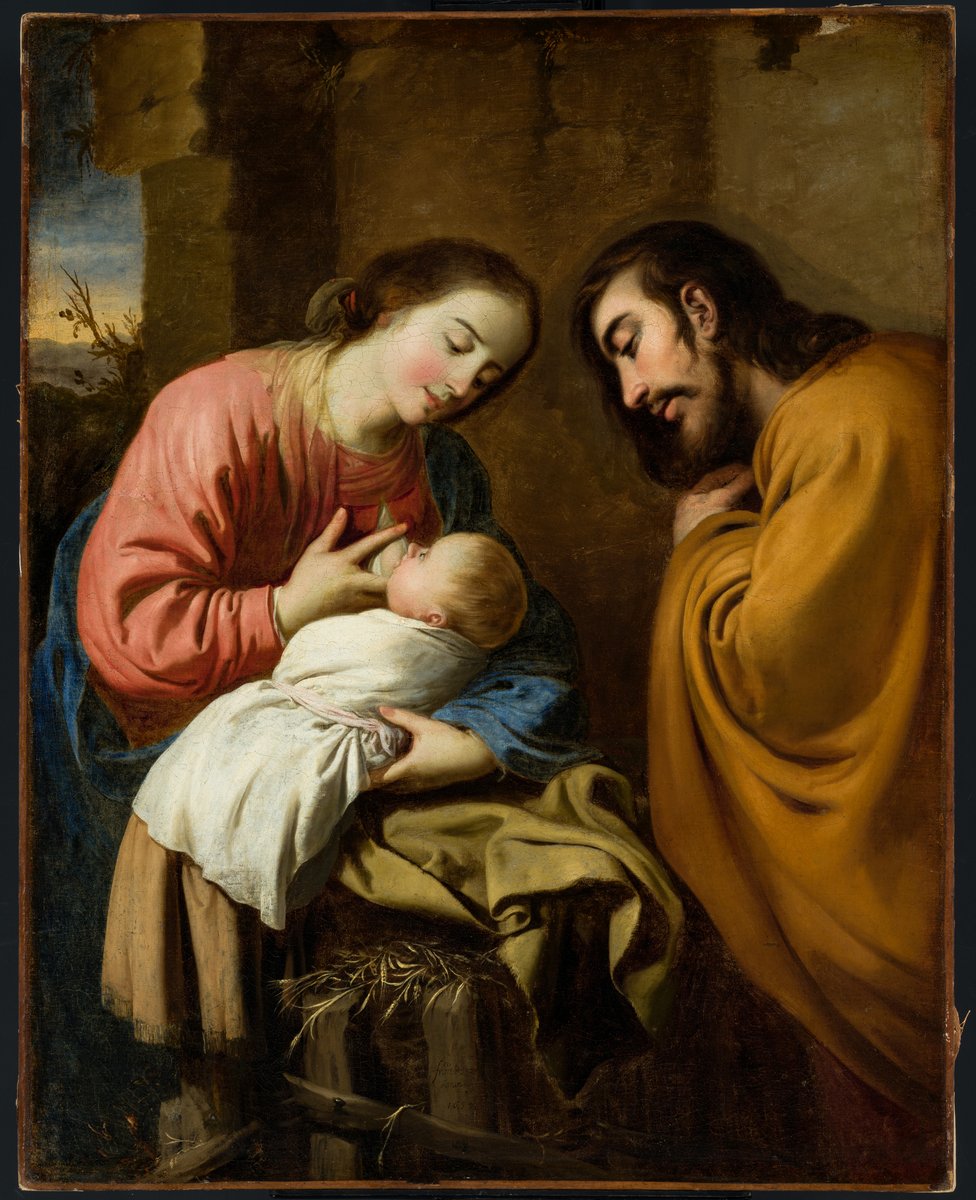 |
| C. 1659, Francisco de Zurbarán Fuente de Cantos (Badajoz), 1598 – Madrid, 1664 |
L
ast Sunday, as we celebrated the Feast of the Holy Family, I was asked to celebrate Mass in a small chapel. Before Mass began, someone approached me with a request: “Father, can you bless a motorcycle?” At first, I assumed that the owner was present at Mass and that the motorcycle was nearby. But I soon learned that neither was the case. The owner was at home, and I would need to go there after Mass.
Deep inside, I hesitated. Part of me wondered whether it was right to grant a blessing when the very people receiving it were not even present at the Eucharist. I briefly considered withholding the blessing, hoping that this might encourage at least one member of the family to come to church.
As I celebrated the Eucharist, I brought this inner struggle to prayer. Quietly, I asked the Lord, “Jesus, what would you do if you were in my place?”
Almost immediately, a Gospel passage came to mind—Luke 17:11–19, the story of the ten lepers. From a distance they cry out, “Jesus, Master, have mercy on us!” Jesus does not interrogate them. He does not ask whether they have fulfilled religious obligations. He simply says, “Go and show yourselves to the priests.” And as they go, they are made clean.
In that moment, something became clear to me: Jesus gives first. Grace comes before gratitude. Mercy comes before conversion. The Lord does not wait for faith to be perfected before acting. He gives generously—and then invites a response.
That insight changed my heart. I realized that the person asking for the blessing was like one of the ten lepers—someone reaching out, however imperfectly, for God’s help. And the Lord’s way is not to close the door, but to open it. Among the ten one returns—an outsider, a Samaritan—to give thanks. And Jesus says to him, “Your faith has made you well.”
I realized that I myself was undergoing a quiet conversion. I chose to seek the person out, as Jesus would have done. Yet, like Jesus, I did not stop at simply giving a blessing. I also extended an invitation—to come to Mass the following Sunday. Freely and without pressure, the person promised to do so. I explained that the blessing was never meant to end in itself. Like the lepers who were sent to show themselves to the priests, it was meant to lead somewhere—to worship, to gratitude, and to relationship.
The Gospel today helps us recognize this same dynamic of grace. The shepherds go in haste to Bethlehem and find Mary and Joseph. Perhaps they, too, were filled with questions: Why would the Messiah be born in such a lowly place? Would he not have been better off in a palace? Why would God choose to become so helpless? Yet they do not remain trapped in their questions, in their “shoulds” and “should nots.” They go. They see. They encounter the God of surprises—not through explanations, but through open hearts.
On this Solemnity of the Motherhood of God, we look to Mary—who does not rush to understand, but chooses to trust; who does not control events, but treasures them in her heart. Through her, we are reminded that God works patiently, from the ground up. He meets us where we are, not where we think we should already be. And more often than not, it is mercy—not rules—that brings hearts home. For this Marian example, I am deeply grateful: her patience helped me reconsider my own plans and actions toward another person.
May we never forget: God’s blessings are not rewards for the perfect, but invitations to become whole. Amen. Fr JM Manzano SJ

Amen🙏
ReplyDelete